Career & Engineering Mindset
The Vanishing Human Touch in Software Development
Why new graduates are losing the 'why' behind the code in an era of automated abstraction and AI assistance.
Written by

Codehouse Author
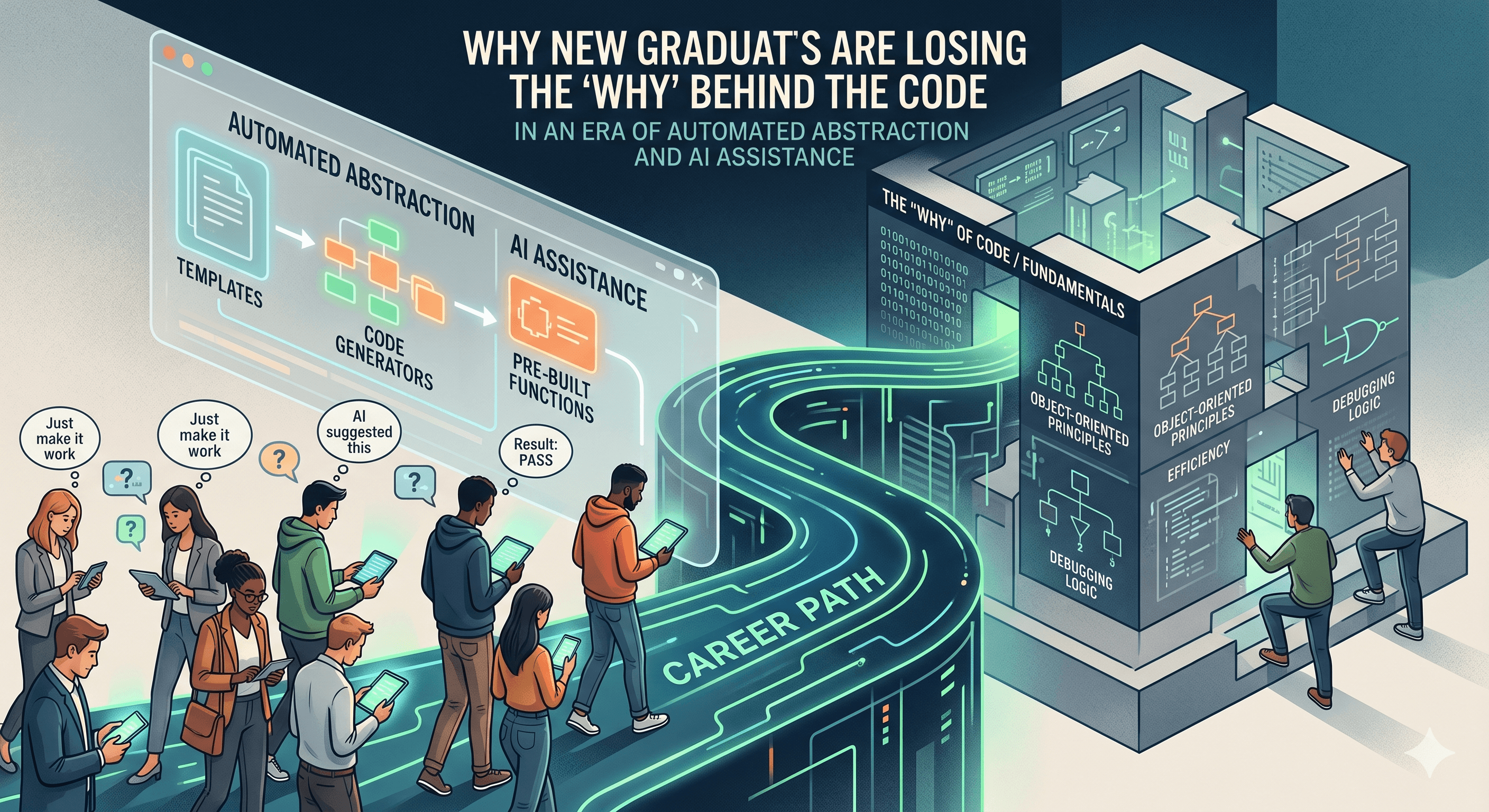
The Shift from Craftsmanship to Prompting
For decades, software development was a hands-on craft. It required an intimate "human touch" where developers spent hours tracing memory leaks, manually optimizing SQL queries, and understanding the physical constraints of the hardware their code lived on. Today, we are witnessing a rapid shift. With the rise of advanced AI assistants and high-level abstractions, the direct connection between the engineer and the machine is thinning. While productivity has soared, we are quietly losing the tactile understanding of how systems actually function under the hood.
The "human touch in software development" isn't just about writing code; it's about the intuition developed through failure. It’s the ability to "smell" a race condition before it happens or to visualize how data flows through a pipeline. When we outsource the thinking process to automated tools, we risk becoming orchestrators of black boxes rather than masters of our craft.
The Impact on New Graduates: Hollow Experience
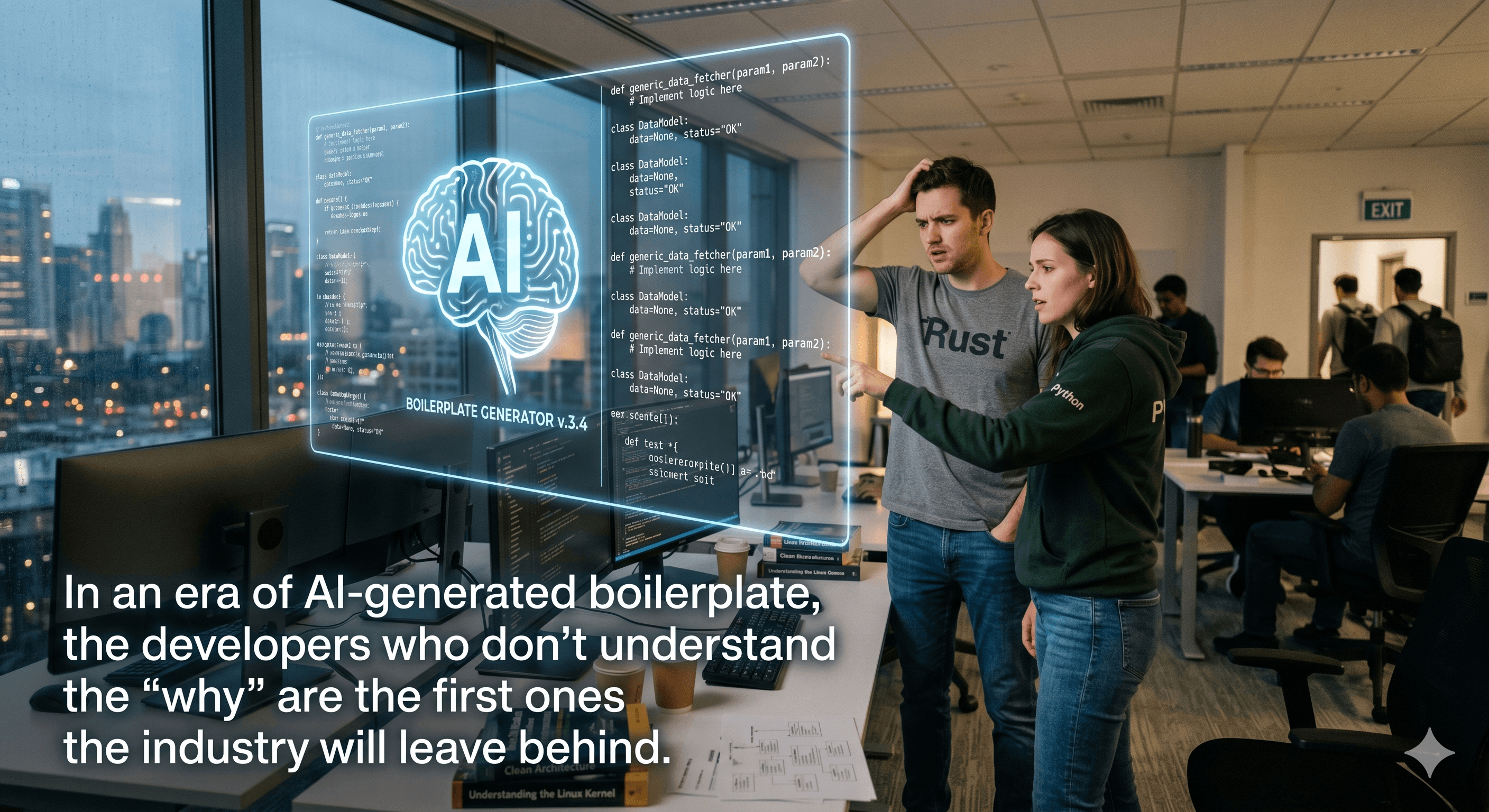
The most significant impact of this shift is felt by the newest members of our industry. New graduates are entering a workforce where the "boring" but foundational tasks—like setting up a web server from scratch or writing manual CRUD operations—are often skipped in favor of AI-generated boilerplate. This creates what I call "hollow experience." A junior developer might successfully ship a feature in their first week, but they often lack the deep architectural empathy required to debug it when things go wrong.
In the past, the struggle was the teacher. By removing the struggle, we are inadvertently removing the lessons. New graduates today face a unique challenge: they are expected to produce senior-level output without having gone through the junior-level "fire" that builds technical character. This gap in foundational knowledge makes it harder to transition into a truly senior mindset, where one must move from "how to code it" to "how it works in production."
The Risk of Tool Dependency
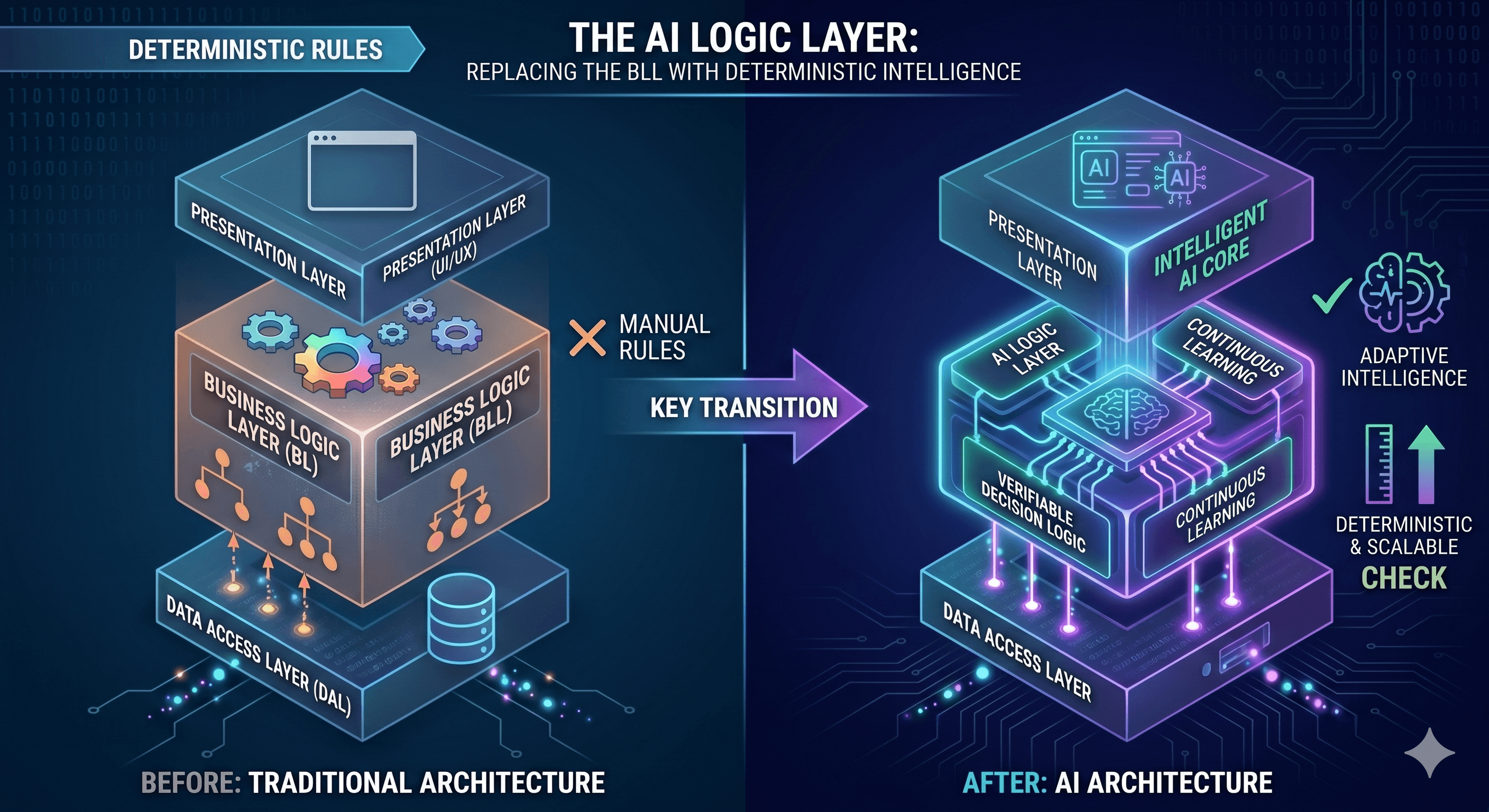
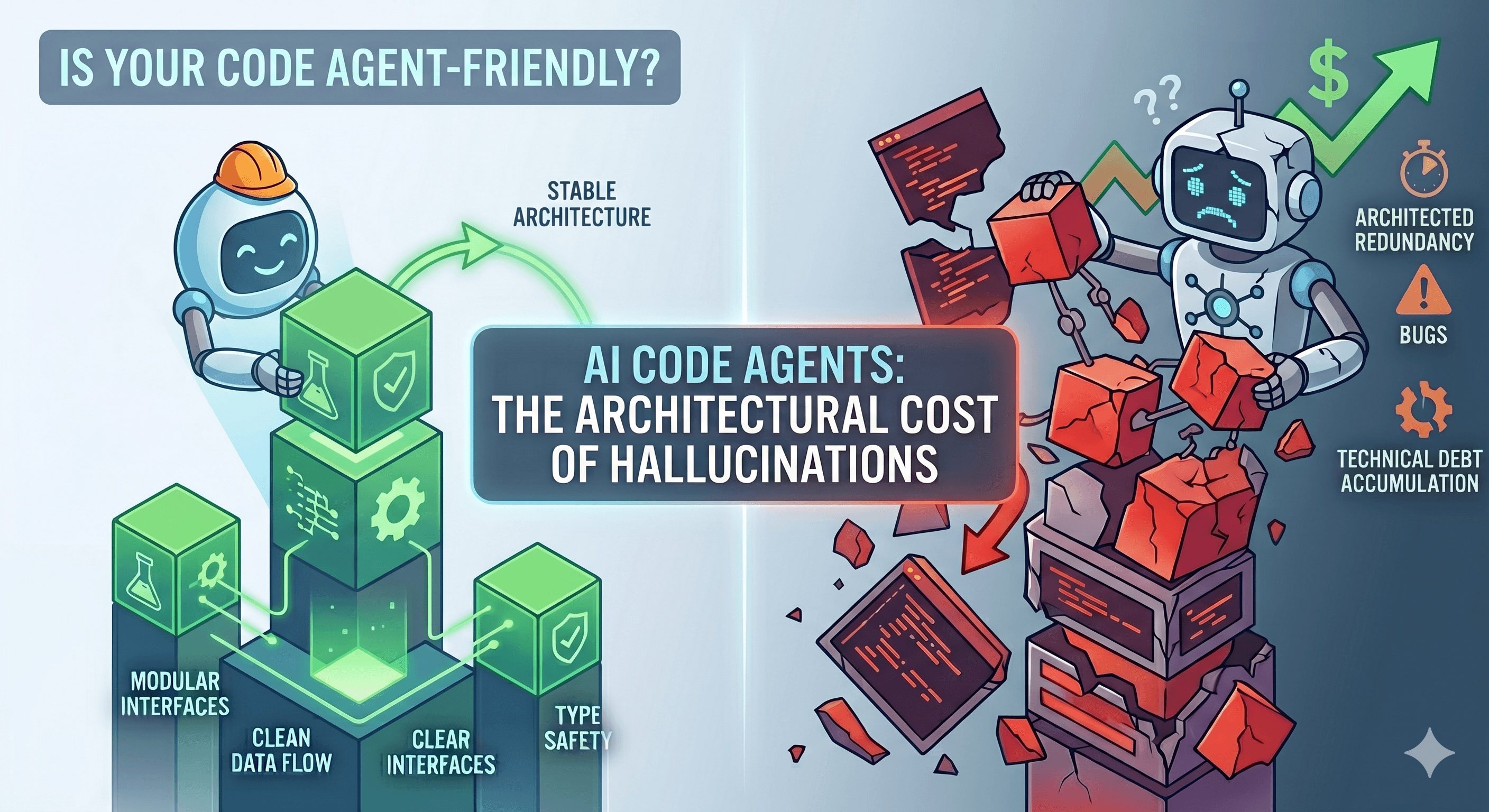
When the human touch is replaced by tool dependency, the engineer becomes vulnerable. If the AI provides a hallucinated solution or if a high-level library has a bug in its internals, a developer without foundational roots is left stranded. True expertise is defined by what you can do when the tools fail. This is why we emphasize understanding the "Linux way" and the "SQL way"—the standards that have outlasted every hype cycle.
Loss of Debugging Intuition: Juniors who rely on AI to fix errors never develop the mental models needed for complex troubleshooting.
Architectural Myopia: Focusing on individual functions rather than system-wide impacts.
Security Blind Spots: Blindly accepting generated code often leads to overlooked vulnerabilities.
Reclaiming the Craft
To counter this trend, we must intentionally re-introduce the human touch into our learning paths. For new graduates, this means "going low" before "going high." It means taking the time to understand Web Foundations and learning how to manage a system manually before automating it. It's about building a solid base in Linux Mastery to understand the environment where your code actually breathes.
The industry is changing, but the fundamentals of computer science are not. According to recent industry observations on the State of the Octoverse, while AI is accelerating development, the demand for developers who understand the underlying architecture is higher than ever. The most successful engineers of the next decade will be those who use AI as a co-pilot, not an autopilot, maintaining their human touch through every line of code.
Final Thoughts: Software is for Humans
At the end of the day, software is built by humans to solve human problems. If we lose the human touch, we lose the empathy and the "why" that makes software great. For new graduates, the advice is simple: don't be afraid of the hard way. The hours you spend struggling with a compiler or a configuration file are the hours that actually turn you into an engineer.
The Shift from Craftsmanship to Prompting
For decades, software development was a hands-on craft. It required an intimate "human touch" where developers spent hours tracing memory leaks, manually optimizing SQL queries, and understanding the physical constraints of the hardware their code lived on. Today, we are witnessing a rapid shift. With the rise of advanced AI assistants and high-level abstractions, the direct connection between the engineer and the machine is thinning. While productivity has soared, we are quietly losing the tactile understanding of how systems actually function under the hood.
The "human touch in software development" isn't just about writing code; it's about the intuition developed through failure. It’s the ability to "smell" a race condition before it happens or to visualize how data flows through a pipeline. When we outsource the thinking process to automated tools, we risk becoming orchestrators of black boxes rather than masters of our craft.
The Impact on New Graduates: Hollow Experience
The most significant impact of this shift is felt by the newest members of our industry. New graduates are entering a workforce where the "boring" but foundational tasks—like setting up a web server from scratch or writing manual CRUD operations—are often skipped in favor of AI-generated boilerplate. This creates what I call "hollow experience." A junior developer might successfully ship a feature in their first week, but they often lack the deep architectural empathy required to debug it when things go wrong.
In the past, the struggle was the teacher. By removing the struggle, we are inadvertently removing the lessons. New graduates today face a unique challenge: they are expected to produce senior-level output without having gone through the junior-level "fire" that builds technical character. This gap in foundational knowledge makes it harder to transition into a truly senior mindset, where one must move from "how to code it" to "how it works in production."
The Risk of Tool Dependency
When the human touch is replaced by tool dependency, the engineer becomes vulnerable. If the AI provides a hallucinated solution or if a high-level library has a bug in its internals, a developer without foundational roots is left stranded. True expertise is defined by what you can do when the tools fail. This is why we emphasize understanding the "Linux way" and the "SQL way"—the standards that have outlasted every hype cycle.
Loss of Debugging Intuition: Juniors who rely on AI to fix errors never develop the mental models needed for complex troubleshooting.
Architectural Myopia: Focusing on individual functions rather than system-wide impacts.
Security Blind Spots: Blindly accepting generated code often leads to overlooked vulnerabilities.
Reclaiming the Craft
To counter this trend, we must intentionally re-introduce the human touch into our learning paths. For new graduates, this means "going low" before "going high." It means taking the time to understand Web Foundations and learning how to manage a system manually before automating it. It's about building a solid base in Linux Mastery to understand the environment where your code actually breathes.
The industry is changing, but the fundamentals of computer science are not. According to recent industry observations on the State of the Octoverse, while AI is accelerating development, the demand for developers who understand the underlying architecture is higher than ever. The most successful engineers of the next decade will be those who use AI as a co-pilot, not an autopilot, maintaining their human touch through every line of code.
Final Thoughts: Software is for Humans
At the end of the day, software is built by humans to solve human problems. If we lose the human touch, we lose the empathy and the "why" that makes software great. For new graduates, the advice is simple: don't be afraid of the hard way. The hours you spend struggling with a compiler or a configuration file are the hours that actually turn you into an engineer.